
Rooted in Washington. Built on Family. Led with Heart.
Slope Support Built to Last Decades
Retaining Walls in Kent for properties with unstable slopes and drainage concerns
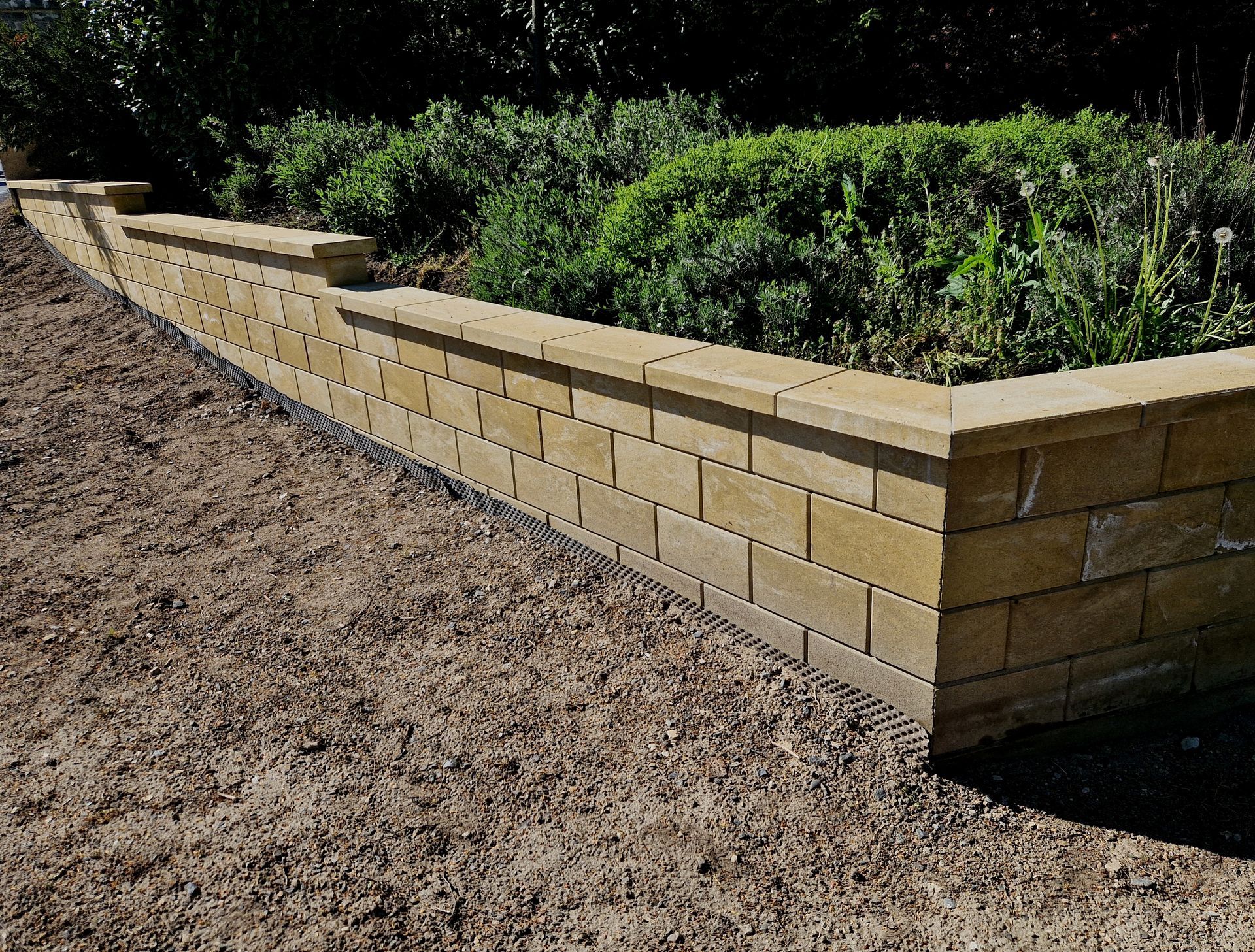
Manzano Landscaping builds engineered retaining walls that manage soil pressure and prevent erosion across residential properties in Kent, Bellevue, Sammamish, Issaquah, Renton, and New Castle. These structures combine structural integrity with visual appeal, holding back soil on sloped terrain while directing water away from vulnerable areas. Each wall is designed to handle long-term ground pressure without shifting or cracking, using materials selected for durability in the Pacific Northwest climate.
The installation process begins with site evaluation to determine load requirements, drainage patterns, and the degree of slope. Proper footing depth and backfill materials are critical because retaining walls fail when water accumulates behind them or when the base shifts over time. Each design accounts for hydrostatic pressure by incorporating drainage systems that prevent water buildup, which is the primary cause of wall failure in this region.
Schedule a site evaluation to assess your property's terrain and determine the appropriate wall design for your specific slope conditions.
What Proper Retaining Walls Require
Retaining wall construction involves excavating to stable soil, installing a compacted gravel base, and setting each course level while integrating drainage behind the wall. The backfill must be permeable to allow water to reach the drainage system rather than saturating the soil and increasing pressure. Walls taller than four feet require engineered designs that account for soil type, water table depth, and the weight of the retained earth.
Once the wall is complete, you'll notice that previously eroding slopes remain stable during heavy rain, water drains away from the structure rather than pooling, and the grade change creates usable flat areas where sloped terrain once limited your yard. Manzano Landscaping tailors each solution to the property's specific terrain, ensuring the wall performs functionally while complementing the surrounding landscape.
Material selection affects both appearance and longevity, with options ranging from natural stone to modular concrete blocks designed to interlock and resist movement. The choice depends on the height of the wall, the visual style of the property, and the level of soil pressure the wall must withstand over time.
Questions Property Owners Ask Before Installation
Retaining walls raise practical concerns about design, materials, and performance, particularly for homeowners dealing with slope management for the first time.
What determines the height and design of a retaining wall?
The degree of slope, soil type, and drainage conditions dictate wall height and structural requirements. Steeper slopes and saturated soils require deeper footings and more robust drainage systems to handle increased pressure.
How do retaining walls handle drainage in Kent's wet climate?
Drainage systems installed behind the wall collect water and direct it away through perforated pipes and gravel backfill. This prevents hydrostatic pressure from building up, which is the leading cause of wall failure in areas with significant rainfall.
What materials offer the best combination of strength and appearance?
Modular concrete blocks provide structural strength and interlock to resist shifting, while natural stone offers a more organic look but requires skilled installation to ensure stability. Both materials perform well when installed with proper drainage and base preparation.
When should a retaining wall be installed?
Installation is best completed during dry months when excavation and compaction can be done without soil saturation. However, walls can be built year-round if drainage and weather conditions allow for proper base preparation.
What maintenance does a retaining wall require?
Inspect drainage outlets annually to ensure water flows freely, check for any movement or cracking, and remove debris that could obstruct drainage. Properly installed walls require minimal maintenance beyond these routine checks.
Manzano Landscaping provides detailed site assessments that identify the specific challenges your property's slope presents and recommend solutions based on soil conditions and long-term performance. Request a consultation to review your terrain and receive a detailed estimate for a custom retaining wall solution.