
Rooted in Washington. Built on Family. Led with Heart.
Composite Structures Designed for Outdoor Living
Decks in Kent for homeowners expanding usable space with low-maintenance surfaces built to handle Pacific Northwest moisture and seasonal temperature swings
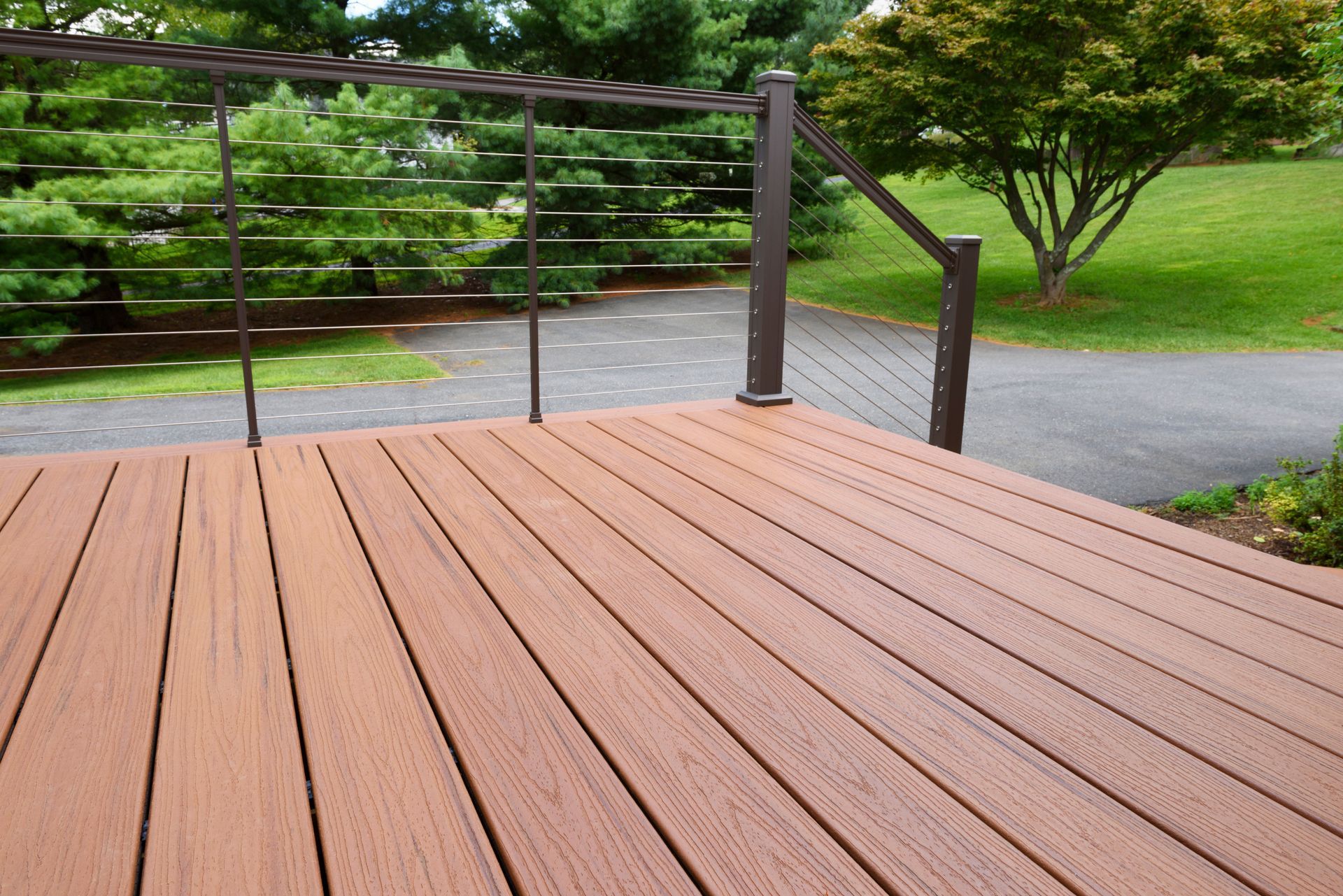
Composite deck construction eliminates the maintenance cycle of annual staining, sealing, and board replacement common with traditional wood decks exposed to prolonged dampness and seasonal freeze-thaw conditions in western Washington. Manzano Landscaping builds decks using composite materials that resist moisture infiltration, UV degradation, and mold growth while maintaining structural stability and surface traction year-round. The entire build process—from structural framing and ledger board attachment to fascia finishing and railing installation—is handled by the in-house team, ensuring that each phase meets consistent quality standards and that transitions between framing, decking, and detail work are coordinated without gaps in communication or accountability.
Deck construction begins with evaluating the attachment point to your home's structure, verifying that ledger boards fasten into solid framing rather than exterior sheathing alone, and confirming that flashing details prevent water intrusion behind siding. Footings are sized and placed according to load requirements and frost depth, and framing layout accounts for composite decking's thermal expansion characteristics, which differ from natural wood.
Schedule a custom deck consultation to review your property's existing structure and discuss layout options that complement your home and surrounding landscape.
Why Composite Construction Works for Durability
Composite decking resists the moisture-related failures that degrade wood decks in climates with extended rainy seasons, including surface checking, board cupping, fastener corrosion, and rot development in areas where water sits or drains slowly. The material composition prevents mold and mildew from penetrating surfaces, so cleaning involves periodic washing rather than chemical treatments or abrasive sanding to remove embedded growth.
After installation, your deck provides a stable, splinter-free surface that doesn't require seasonal refinishing or board replacement as moisture cycles cause expansion and contraction. Color remains consistent without fading or graying, fasteners stay concealed within the decking system rather than backing out as boards shift, and railing structures maintain rigidity without the loosening common in wood assemblies as connections weather and degrade. The transition between indoor and outdoor living becomes more functional because the deck surface stays usable even during damp months when traditional wood decking becomes slippery or begins to show early signs of deterioration.
Deck design considers how the structure relates to existing landscape features, ensuring that sight lines, sun exposure, and access routes align with how you'll actually use the space. Railing height, stair placement, and any built-in seating or planters are incorporated during the planning phase so that the finished deck functions as an integrated extension of your home rather than an isolated platform.
What Property Owners Usually Ask
Common questions involve material performance, structural requirements, and how composite decks compare to traditional wood in Pacific Northwest conditions.
What makes composite decking preferable to wood in western Washington?
Composite materials don't absorb moisture the way wood does, preventing the rot, warping, and surface degradation that occur when boards remain damp for extended periods during fall and winter, while also eliminating the need for staining and sealing that wood requires to maintain weather resistance and appearance.
How is the deck attached to the existing house structure?
A ledger board fastens directly to the home's rim joist or solid framing using lag bolts or structural screws, with metal flashing installed above the ledger and behind siding to channel water away from the connection point and prevent moisture infiltration that can compromise both the deck and the home's framing.
What structural considerations affect deck design and cost?
Deck height, span distances between support posts, stair requirements, railing style, and soil conditions that determine footing depth all influence framing complexity and material quantities, with elevated decks requiring more substantial bracing and taller posts anchored deeper to resist lateral movement.
When should a deck project be scheduled relative to other outdoor work?
Deck construction typically happens after major landscape grading is complete but can precede final plantings if the deck location is finalized, allowing construction access without disturbing established beds and ensuring that any grading adjustments account for the deck's finished height and drainage requirements.
How does a composite deck perform during Kent's rainy season?
Composite surfaces shed water efficiently without absorbing moisture into the material, dry faster than wood after rain, and maintain traction without becoming slick, while the structure beneath remains protected by proper flashing and drainage that routes water away from framing connections and support posts.
Manzano Landscaping coordinates every phase of deck construction, ensuring that structural integrity, material selection, and finish details align with your property's specific conditions and intended use. Contact us to begin planning a deck that expands your home's functional outdoor space with minimal ongoing maintenance requirements.