
Rooted in Washington. Built on Family. Led with Heart.
Outdoor Spaces Built Around How You Live
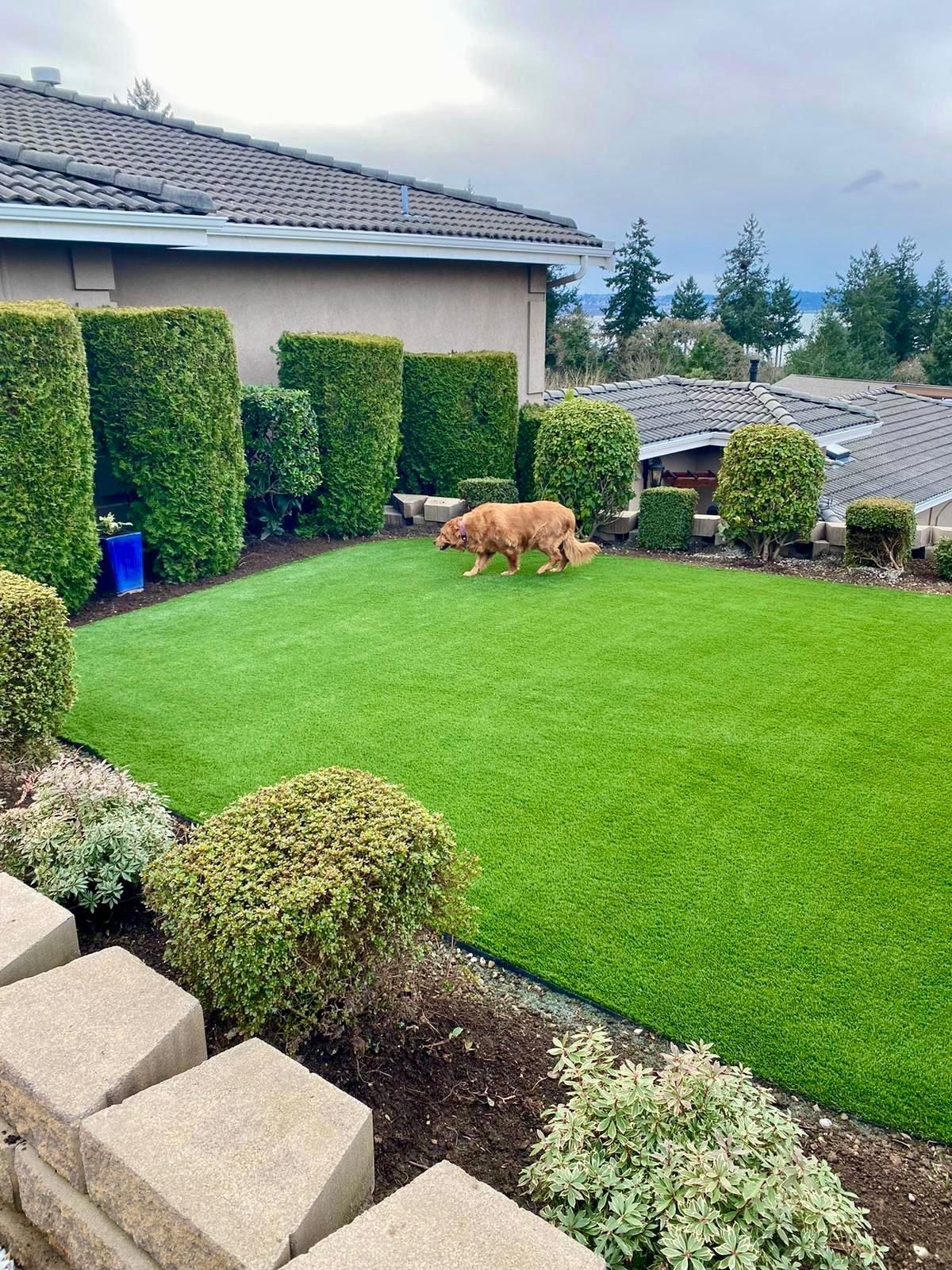
Landscape Design in Kent for properties needing cohesive layouts that support drainage, plant health, and long-term usability
Manzano Landscaping provides landscape design in Kent that accounts for how water moves across your property, where irrigation lines run most efficiently, and which plants will sustain themselves in Pacific Northwest soil and shade conditions. The design phase addresses functional requirements like grading and drainage before selecting materials or plantings, preventing the common scenario where attractive layouts fail within two seasons due to pooling water or root competition. Each design is handled entirely by the in-house team, ensuring the plan translates directly into buildable phases without interpretation gaps between designer and installer.
The process begins with evaluating your property's natural slope, existing soil composition, sun exposure patterns throughout the day, and how stormwater currently behaves during heavy rain. These factors determine plant placement, hardscape positioning, and whether underground drainage solutions need to integrate into the layout before any aesthetic decisions are finalized.
Schedule a design consultation to walk your property and outline both functional priorities and visual preferences.
How Design Translates Into Functional Outdoor Environments
A properly developed landscape design addresses the relationship between hardscape surfaces, planting beds, lawn areas, and water management systems so that each element supports the others rather than competing for space or resources. If your property slopes toward the foundation or has clay-heavy soil common in King County, the design incorporates grading adjustments and drainage routing before plant selection begins, preventing saturation issues that compromise root health and structural stability over time.
Once the plan is implemented, you'll notice that water no longer pools in low spots after storms, plantings fill in predictably without overcrowding, and maintenance tasks like mowing or pruning follow logical access paths. Irrigation zones align with plant water needs rather than requiring manual adjustments every season, and hardscape edges remain stable because base preparation was calculated into the design rather than added as an afterthought.
The design-to-build process remains within one team, so the crew installing your landscape has direct access to the designer's notes on grade transitions, root barrier placement, and irrigation valve locations. This eliminates the common problem where contractors modify plans on-site due to unclear specifications or unfamiliarity with the original intent.
Questions About Planning Your Landscape
Homeowners in Kent and surrounding areas often ask about timing, design scope, and how existing site conditions influence the planning process.
What site factors most affect landscape design decisions?
Slope direction, soil drainage capacity, and existing tree root zones determine where hardscape can be placed, how stormwater is routed, and which planting beds will require amended soil or raised construction to support healthy growth.
How does the design process work for new construction versus renovation projects?
New construction allows grading and drainage integration during initial site work, while renovations require working around established trees, utility lines, and existing irrigation, often necessitating selective removal or creative routing to achieve proper water flow and plant spacing.
When should landscape design happen relative to other property work?
Design should begin after major grading and foundation work is complete but before final soil placement, allowing the layout to incorporate any elevation changes and ensuring irrigation trenches and drainage lines install before sod or plantings go in.
What's included in a landscape design plan?
The plan specifies plant locations with mature size projections, hardscape dimensions and materials, irrigation zone layouts, drainage routing with slope calculations, and a phased installation sequence if the project will be completed over multiple seasons.
Why does plant selection depend on more than visual preference?
Pacific Northwest microclimates, soil pH, seasonal water availability, and shade patterns throughout the year determine which species will establish strong root systems without constant intervention, preventing the cycle of replanting every few years when incompatible choices decline.
Manzano Landscaping handles the entire process from initial site assessment through installation, ensuring that design intent translates into a landscape that performs as planned. Request a consultation to begin planning a layout tailored to your property's specific conditions and how you use outdoor space.